Bob Anderson · Camping Book Launch price ends in --:--:-- Bob Anderson's Camping Book · No. I
Bob Anderson Camping Book

How forty years of camping taught me the hard way, and how it doesn't have to teach you that way too.

One hundred and eight specific problems from my own trips — what caused each one and what I do about it now. 171 pages, illustrated, checked against the agencies that actually publish this stuff.

108Problems
18Chapters
22Diagrams
171Pages
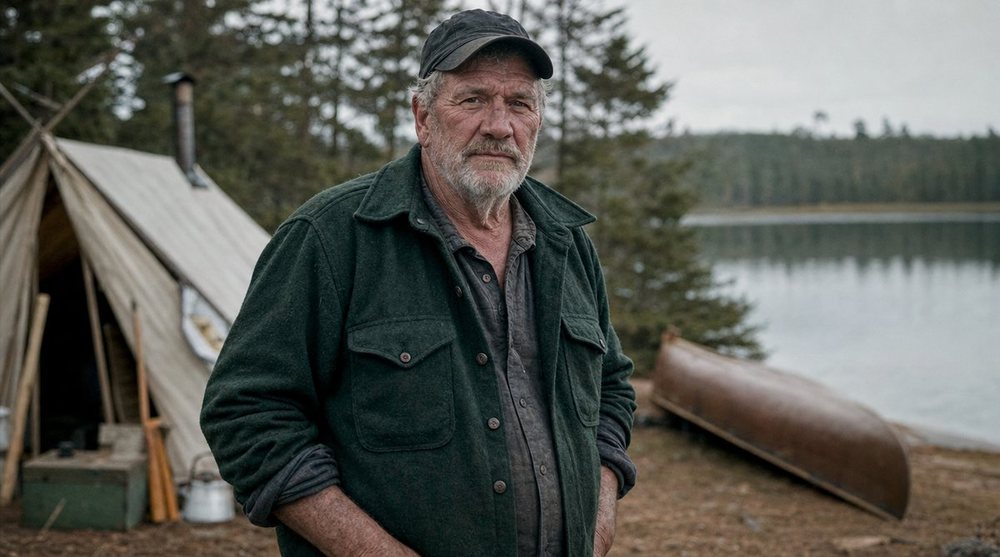
Bob Anderson at his campsite
“

I was bad at this for a long time. Not dangerous–bad. But a lot of cold nights that did not have to be cold.

Bob Anderson
I.

What it is

Every page is one thing that went wrong, and the fix.

Not tips. Not gear reviews. Each of the 108 pages has the same six parts: the problem, why it happened, where I learned it, what it cost me, what I do now, and where that fix stops working — because that last part is the half most books leave out.

II.

The honest math

What forty years of not knowing this actually cost.

Illustrative, not a guarantee — your trips and your gear shelf will vary. What does not vary is that fixing a mechanism costs less than replacing the gear around it.

Learning it the slow way

  • A cooler replaced over a bad-packing habit$60
  • A tent's waterproofing, ruined in storage$180
  • A sleeping bag bought to fix a pad problem$140
  • A weekend cut two days shorttime
  • A trip abandoned to weather with six hours' warningtime
Ordinary costreal money

Reading it first

  • The book$37
  • 22 diagrams, drawn for this bookincluded
  • Every safety page sourced and checkedincluded
  • Free updates for lifeincluded
Total$37

The difference

You keep the $37 you'd have spent finding this out anyway

The honest range depends on your trips, your gear, and how many of the 108 you already know.

III.

What's inside

Five parts, the way a trip actually runs.

Before you go, making camp, living there, when it goes wrong, going home. 108 problems across those five stages.

Before I Go — 12 problems

The packing mistakes that decide the weekend before you leave the driveway.

  • 01 What I Carried and Never Used
  • 02 What I Never Checked Before Leaving

Making Camp — 24 problems

Shelter, rope, fire and tools — the hour that decides the rest of the trip.

  • 03 What My Shelter Didn't Do
  • 04 What My Rope Couldn't Hold
  • 05 What Wouldn't Light
  • 06 What Broke, Bent, or Went Dull

Living There — 48 problems

Water, cold storage, food, animals, bugs, sleep, dark, and what nobody writes about.

  • 07 What Came Out of the Water
  • 08 What Went Warm
  • 09 What Nobody Ate
  • 10 What the Animals Got Into
  • 11 What Bit, Stung, or Latched On
  • 12 Why I Didn't Sleep
  • 13 What Went Wrong After Dark
  • 14 What I Didn't Want to Talk About

When It Goes Wrong — 18 problems

Weather, getting lost, getting hurt, and the trips that ended early.

  • 15 What the Weather Did
  • 16 When I Got Lost or Hurt
  • 17 What Ended the Trip Early

Going Home — 6 problems

The hour after you get back, which decides more than anything on the trip itself.

  • 18 What Came Home Wet
IV.

The full contents

Every one of the 108, by name.

Open a chapter to read its six. If it is not on this list, it is not in the book.

Before I Go

01 What I Carried and Never UsedForty-one pounds for two nights, and the audit that cut a third off my list.
  1. I packed for the trip I was afraid of
  2. My heaviest pack was my first one
  3. I never once unpacked in the order I packed
  4. Two small bags instead of one big one
  5. I started weighing the pack before I left
  6. My list got shorter every single year
02 What I Never Checked Before LeavingThe gate, the road in, the forecast for the wrong elevation, and arriving after dark.
  1. The reservation was fine, the road in was not
  2. Somebody at home should know where I went
  3. The rules change at every gate
  4. I left at four and arrived in the dark
  5. My vehicle is part of my kit
  6. I read the forecast for the wrong elevation

Making Camp

03 What My Shelter Didn't DoWhy flat ground is the wrong ground, and the night the pole snapped.
  1. I pitched where the ground was flat, not where the water wasn't
  2. The rain stayed out and the wet came anyway
  3. The narrow end faces the weather
  4. I skipped the guylines until the night I couldn't
  5. The pole snapped and I had nothing to splint it with
  6. I set up once, in daylight, before anything else
04 What My Rope Couldn't HoldTen years of carrying cord I couldn't tie, and the four knots that fixed it.
  1. I carried cord for years and could not tie it off
  2. One adjustable knot does most of the work
  3. I pulled it tight and could not get it undone
  4. The ridgeline is the frame for everything else
  5. Rope under load is a different animal
  6. Cheap cord cost me more than good cord
05 What Wouldn't LightThree sizes of wood, dry wood in wet country, and the fire that came back.
  1. I brought matches and no way to keep them dry
  2. Three sizes of wood or no fire at all
  3. There is dry wood in wet country
  4. My stove worked at home and not up high
  5. A fire ban is not a suggestion
  6. Every fire I left came back to life once
06 What Broke, Bent, or Went DullThe dull knife that cost me six stitches, and four items that fix almost everything.
  1. My dull knife sent me to the first-aid kit
  2. Four items fixed almost everything that failed
  3. I broke a zip every season and never learned to fix one
  4. Tape fixed more than my multi-tool ever did
  5. I carried an axe for ten years and should not have
  6. A field repair buys the drive home, not the season

Living There

07 What Came Out of the WaterWhich treatment stops what, and the week I spent ill after drinking clear water.
  1. Clear water is not clean water
  2. Filter, boil, and chemicals are not the same tool
  3. I treated the drinking water and washed dishes in the creek
  4. Hauling beat fetching every time
  5. The container decides whether I drink enough
  6. Running out of water is a planning failure
08 What Went WarmWhy the cooler quits on day two, and none of the reasons are the cooler.
  1. I bought the cooler when I needed the ice
  2. Cold falls, so I load from the bottom
  3. Every time I opened it, I paid for it
  4. Two boxes: drinks in one, food in the other
  5. I stopped draining the meltwater
  6. Three days is my honest limit
09 What Nobody AteThe first night that shouldn't need a stove, and the food that keeps without cold.
  1. My first night should never need a stove
  2. I planned meals when I should have planned leftovers
  3. I always overbought breakfast and ran short at lunch
  4. The food that keeps without cold
  5. I do not cook well in the dark
  6. One pot out, one pot washed
10 What the Animals Got IntoForty years, no bears, and everything I lost went to something smaller than a dog.
  1. Everything I lost went to something smaller than a dog
  2. The food goes away while it is still light
  3. Twelve feet up and ten feet out, or use the box
  4. Mice cost me more tents than weather did
  5. Toothpaste counts as food
  6. Every park has its own storage law and its own fine
11 What Bit, Stung, or Latched OnTreating cloth instead of skin, and the tick removal I had wrong for twenty years.
  1. The bugs decide the trip more than the weather
  2. I treat the cloth, not my skin
  3. A search every evening, at the same hour
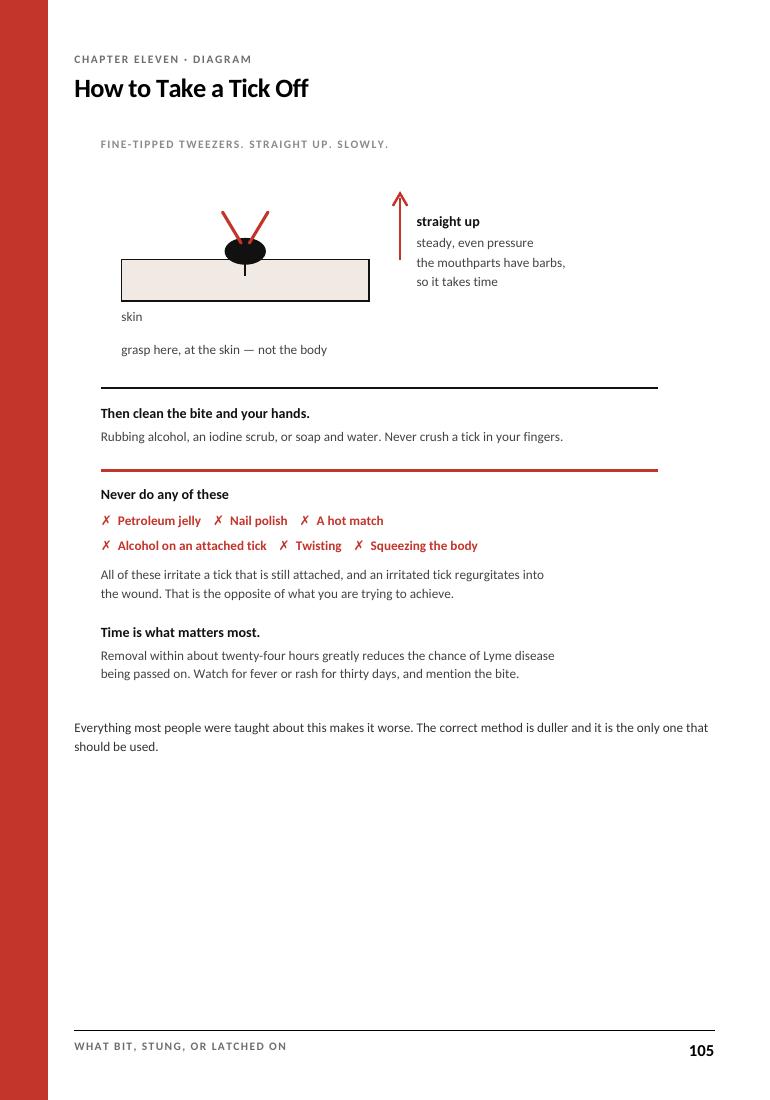
  4. I pulled them out wrong for twenty years
  5. Screen beats spray after sundown
  6. Which bites I stopped trying to handle myself
12 Why I Didn't SleepTwo sleeping bags bought before I worked out the cold was going into the ground.
  1. The ground took more heat than the air
  2. I bought the bag and forgot the pad
  3. Damp insulation is not insulation
  4. Cold feet are circulation, not socks
  5. I stopped sleeping in the clothes I wore all day
  6. The rating on the tag is not comfort
13 What Went Wrong After DarkThe two hours between sundown and sleep, which is when camping is hardest.
  1. I brought lights and never brought spares
  2. White light ruins the camp for everyone
  3. It was never the animals, it was the noise
  4. A headlamp points where I look
  5. The two hours between dark and sleep
  6. Everything gets a home before sundown
14 What I Didn't Want to Talk AboutThe subjects nobody writes about, and the one most likely to make you ill.
  1. The trowel is what I use least and need most
  2. Dishwater draws everything I just put away
  3. Washing my hands did more than my filter
  4. My feet were the only injury every season
  5. The trash rides home with me
  6. A camp that smells clean stays clean

When It Goes Wrong

15 What the Weather DidLightning, heat, rising water, and the sky that told me six hours early.
  1. The sky told me six hours early
  2. The wind changes before the rain does
  3. My tent is not shelter, my truck is
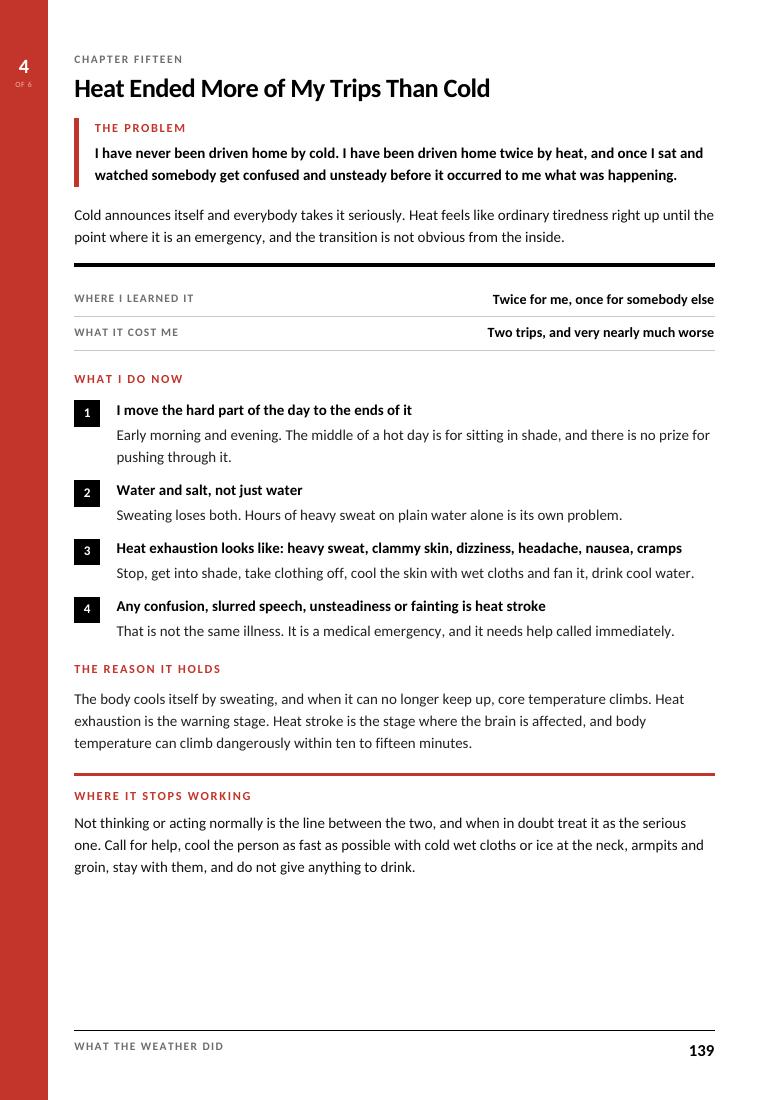
  4. Heat ended more of my trips than cold
  5. Water rises faster than I ever expected
  6. My best trips ended a day early on purpose
16 When I Got Lost or HurtThe instinct to keep walking, and the small injuries that end more trips than big ones.
  1. I never got lost going out, only coming back
  2. My phone was the map and my phone was dead
  3. The instinct to keep walking is the dangerous one
  4. A whistle outlasts a voice by hours
  5. Small injuries ended more trips than big ones
  6. Knowing what I cannot handle
17 What Ended the Trip EarlyRain days, bored children, and why nobody wanted to be the one to call it.
  1. Rain days ended more trips than storms
  2. Kids quit when they are bored, not cold
  3. Somebody has to decide
  4. We split up with no plan for splitting up
  5. The trip I cut short is the one they came back for
  6. What I tell anybody going out for the first time

Going Home

18 What Came Home WetThe hour after you get back, which is when most gear actually gets destroyed.
  1. Wet gear does not dry in a stuff sack, it rots
  2. The wet line at the door
  3. Socks are the only thing I overpack
  4. I dried the tent and stored the stakes wet
  5. A pack liner costs nothing and saves the trip
  6. The unpacking is the next trip's packing
V.

Inside the book

What the pages actually look like.

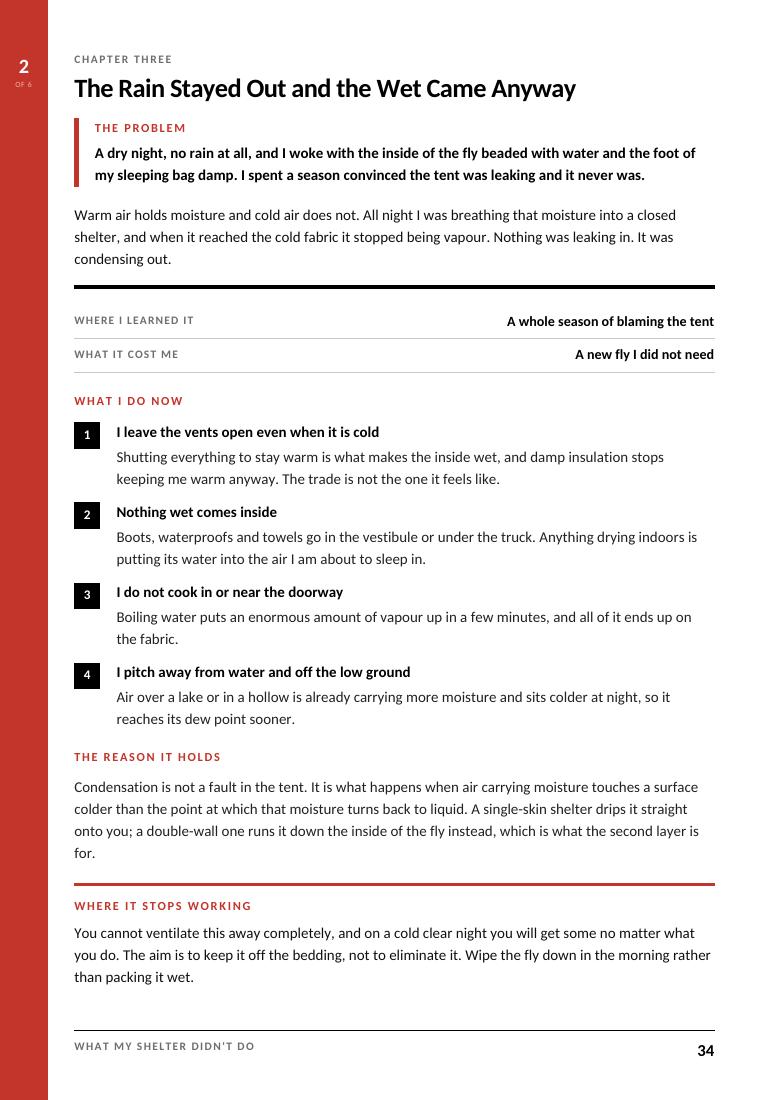
A problem page
One problem per page, always the same six parts.
A diagram page
22 diagrams, drawn for this book.
Heat illness page
Large type, black on white, prints cleanly.
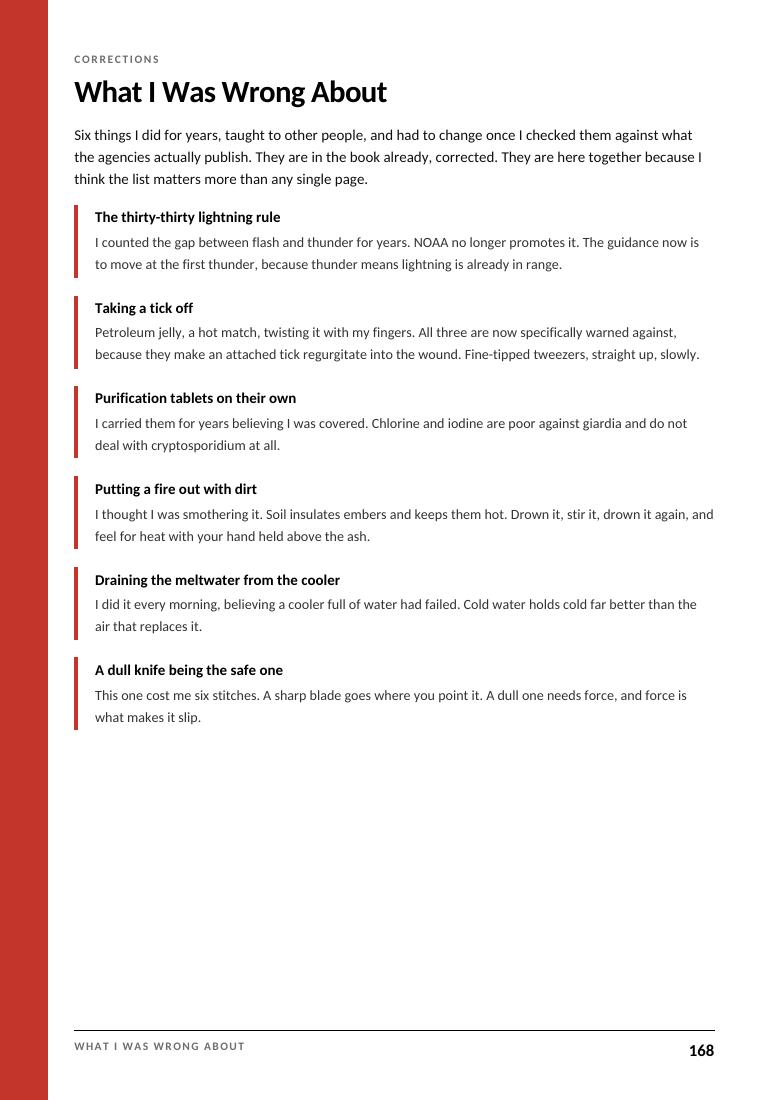
Corrections page
A whole page of things I had wrong.
VI.

Why you can trust it

The safety pages are checked, not remembered.

Six things I had been doing for years, corrected once I checked them against what the agencies actually publish:

  • Counting the gap between lightning and thunder. NOAA no longer promotes it — you move at the first thunder.
  • Petroleum jelly and a hot match on a tick. Both make it regurgitate into the wound.
  • Purification tablets on their own. Poor against giardia, useless against cryptosporidium.
  • Putting a fire out with dirt. Soil insulates embers and holds the heat in.
  • Draining the meltwater from a cooler. Cold water holds cold far better than the air that replaces it.
  • Believing a dull knife was the safer one. That one cost me six stitches.

Sources named on the page and listed at the back: National Park Service, National Weather Service and NOAA, CDC, USDA Forest Service and Smokey Bear, FDA, USDA, Johns Hopkins Medicine, Minnesota Department of Health, and Leave No Trace.

VII.

About the author

Bob Anderson.

Forty years of camping in the lake country up north, and bad at it for a long time. Not dangerous-bad — nobody had to carry me out. But a lot of cold nights that did not have to be cold, and more money than I want to add up on gear that solved problems I could have solved for nothing.

What changed things was not buying better equipment. It was asking why something failed instead of replacing it. The tent that soaked me was not a bad tent; I had pitched it in the low spot. The cooler that quit was not a cheap cooler; I had filled it with cubes and opened it forty times a day.

This book is that, written down. Every problem is one I had. Where anything touches something that could hurt you, I checked it against what the people who actually know publish, and where I had it wrong, I said so.

Bob is a composite and his photograph was made by a computer. The book says so on page two. The camping is real and the sources are named.

A camping scene
“

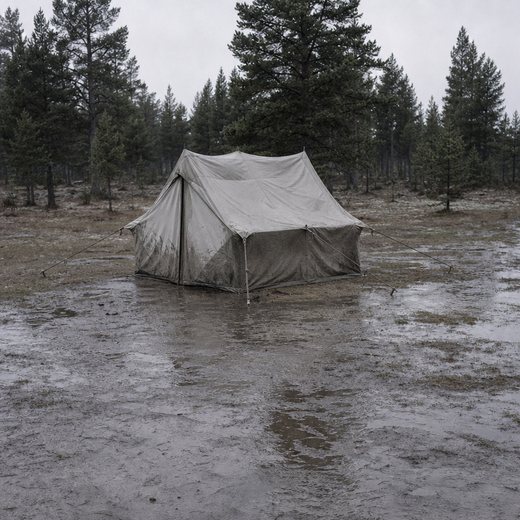
The tent that soaked me was not a bad tent. I had pitched it in the low spot.

Bob Anderson
VIII.

Order

$37 once. No subscription. Yours to keep.

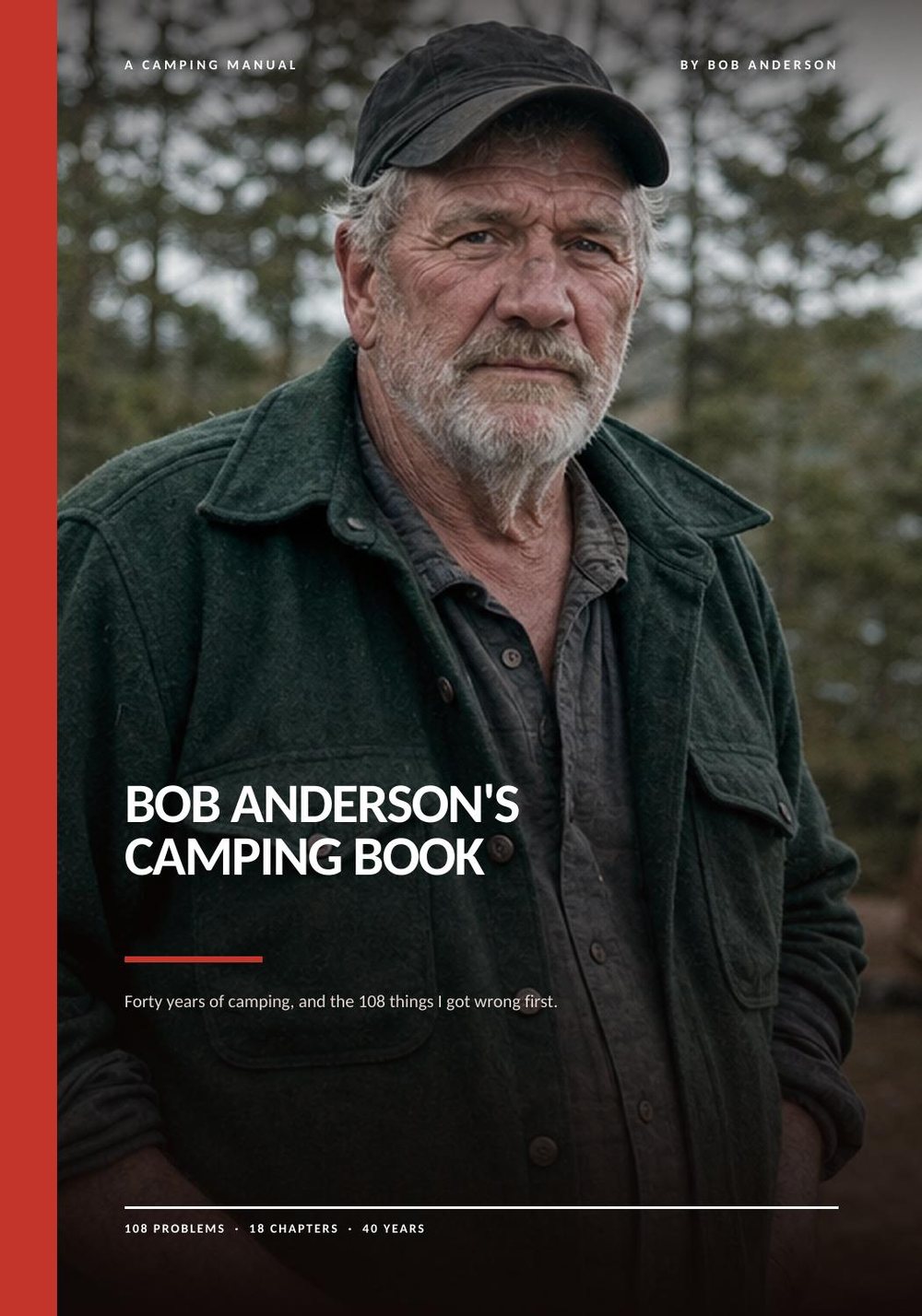
Book cover

Bob Anderson's Camping Book

171 pages · 108 problems · 18 chapters

$37$99 Launch price
  • The book, illustrated, 171 pages$99
  • 22 diagrams drawn for this bookincluded
  • The one-page camp checklist, printableincluded
  • Sources page, check every safety claimincluded
  • Free updates for lifeincluded
You pay today$37
Get the Book — $37 →

Instant download · Read on any device · 7-day refund, no questions asked

IX.

Questions

Before you buy.

What do I actually get?

One PDF. 171 pages at 7×10 inches, large type, reads well on a tablet and prints cleanly. Downloads instantly.

Is this a survival or bushcraft manual?

No. It is ordinary camping trips going wrong in ordinary ways — car camping and short trips. Where it touches anything that could hurt you it says so and names the agency that publishes the real guidance.

I already own good gear. Will it help?

That is who it is for. Most of these problems happened to Bob with perfectly good equipment. The book is about mechanisms, not brands, and recommends no products.

Can I print it?

Yes, for your own use. Black on white with no full-page colour except the chapter openers, so it will not empty a cartridge.

Why is the price going up?

$37 is a launch price. It goes to $99 when the timer runs out and stays there. Buy now and every future edition is free too.

What if it is not for me?

Ask Gumroad for a refund within 7 days. The whole contents is listed on this page precisely so nobody buys expecting a different book.

Last call

One hundred and eight things, all of them mine.

If it saves you two of the nights it cost me, it has paid for itself.

Get the Book — $37 →
$99$37 Get the Book

Wait — one thing

You've seen all 108. That's the whole book.

No chapter held back, nothing padded out later. $37 while the launch price holds, then $99.

Get the Book — $37